
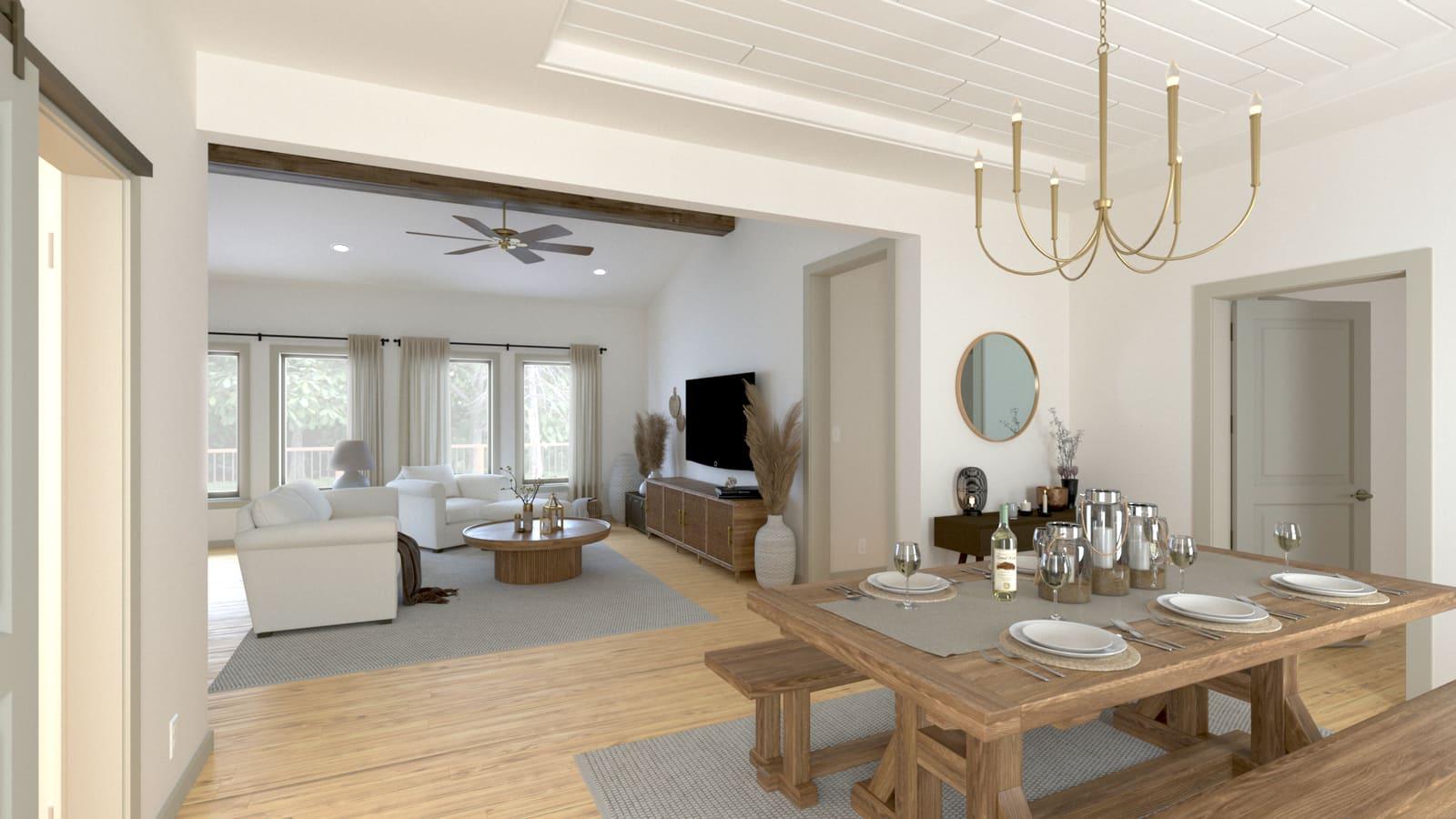
When it comes to designing and building your home, an important question to ask is, “How do I spend quality time and connect with others in my home?” Some people love entertaining around a bar, mixing drinks or catching up over a glass of wine. Others gravitate toward the kitchen, where they cook together or snack around the island. Maybe you prefer something more casual, like board games at the dining table. Or maybe your group loves a high-energy hangout, like a game room or an outdoor space where you cheer on your team together. All of these look different, so think about what fits you. That way the spaces in your home can be designed to connect you with your people and make it easy to enjoy time together.
Everyone is different, and there are many ways to design for connection. But here are some core design elements that help create spaces that connect.
It all starts with the space
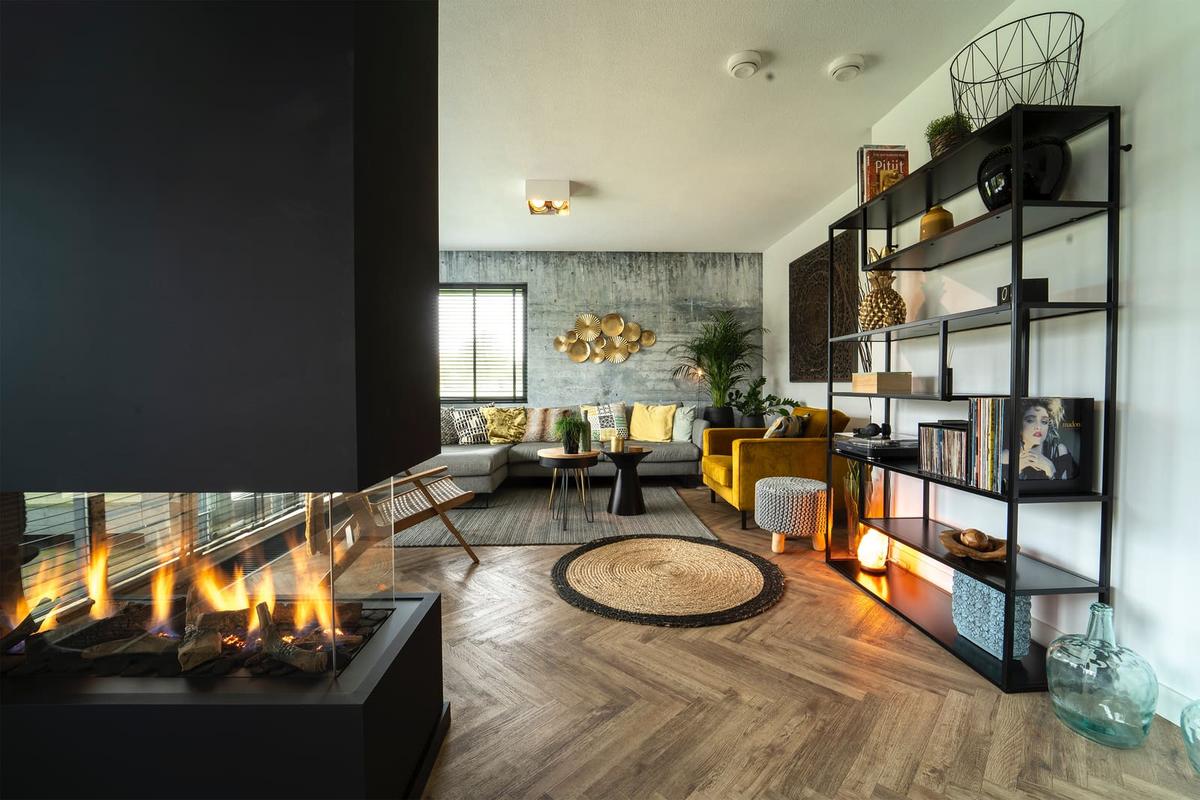
Think of it like building a house: you need a solid foundation to build everything else on. If a space isn’t the right size or height, or doesn’t have the right sight lines to the outdoors or the rooms around it, it will be harder to make it a space that connects. You want a room big enough for your people, but not so big that it stops feeling cozy. An open layout can also connect several spaces. It doesn’t have to be one big room (although it can be). The key is that the spaces let connection happen naturally. Get this right and everything else comes together much more easily.
Let there be light
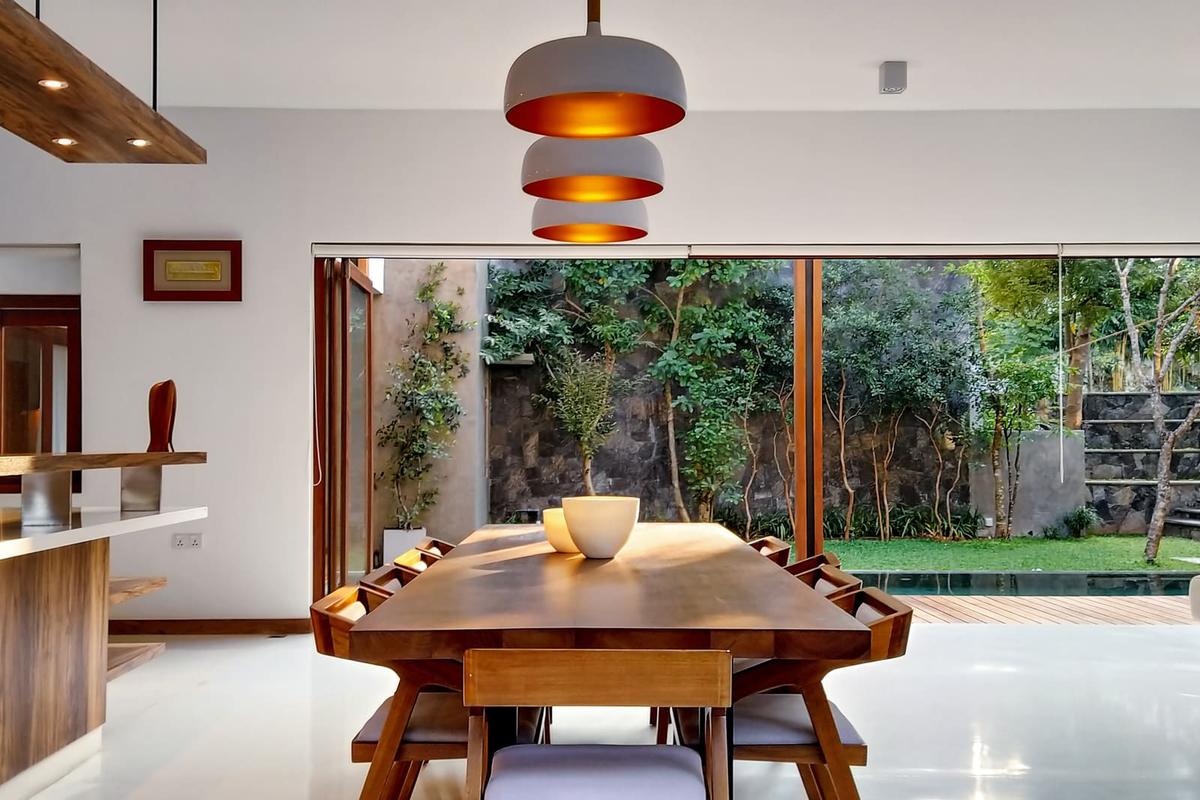
Once you have the right space, the next step is lighting. Lighting can completely change the look and feel of a room. Natural light comes first and matters most. Without it, you rely completely on artificial light, which can work in a home theater but makes most other rooms feel dark and uninviting. In living rooms, game rooms, kitchens and dining rooms, large windows or doors on at least one wall make the room feel bright and airy and draw people in. The artificial light matters too. Bright, stark light from above won’t feel as comfortable as warm, low light. It’s not just the type of light, but where it is and how it shines. Lights built into cabinets and lamps that cast a soft, warm glow make a room cozy and keep it feeling warm as day turns into night.
Every space has a background
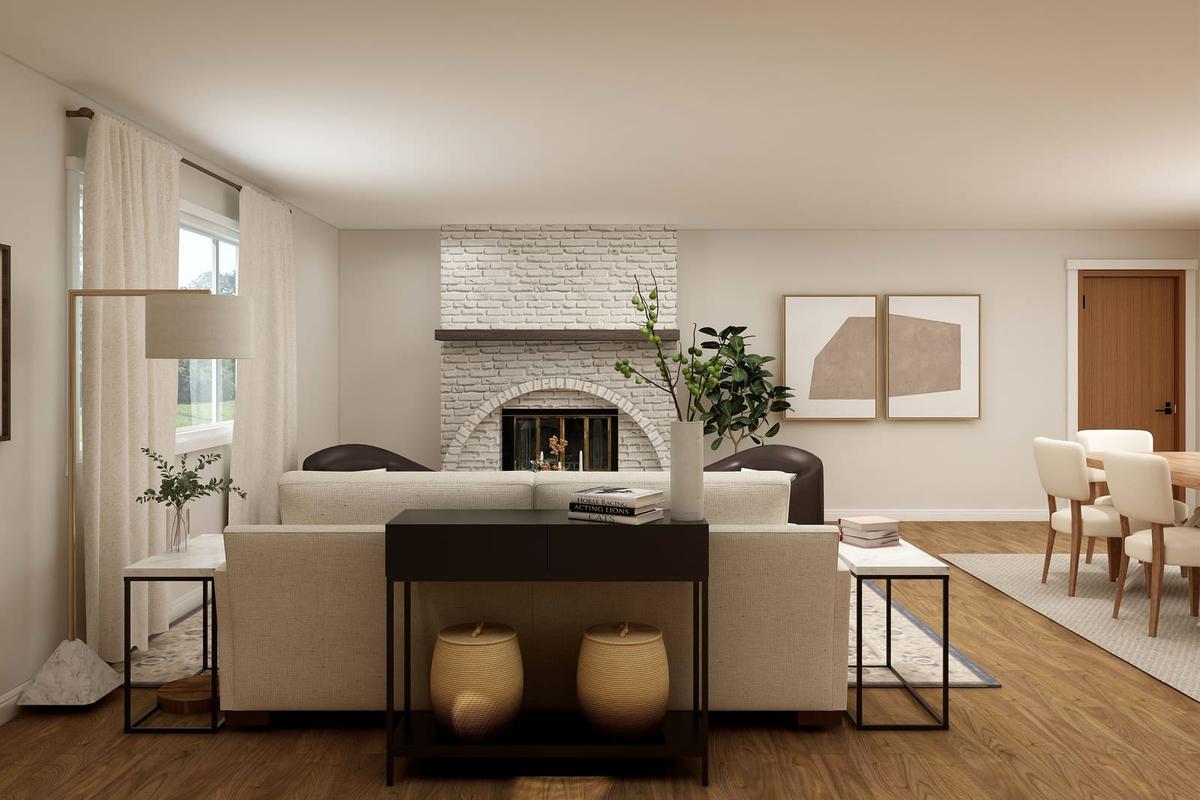
Like a great painting, a great room needs a solid background: the floors and the walls. Instead of feeling stark and cold, they should feel warm. They should also mostly fade into the background and not overpower the layers that come next. Warm, neutral materials and colors for floors and walls make a room feel calm and leave room for everything else.

The icing on the cake
The last element is the finishing touches: a rug, a plush sofa, wood accents, a fireplace, and side tables or a coffee table for drinks and snacks. Too many finishing touches make a room feel cluttered, and too few make it feel empty and unfinished, so let the size of the room guide you. The right balance brings everything, and everyone, together in a space that truly connects.