
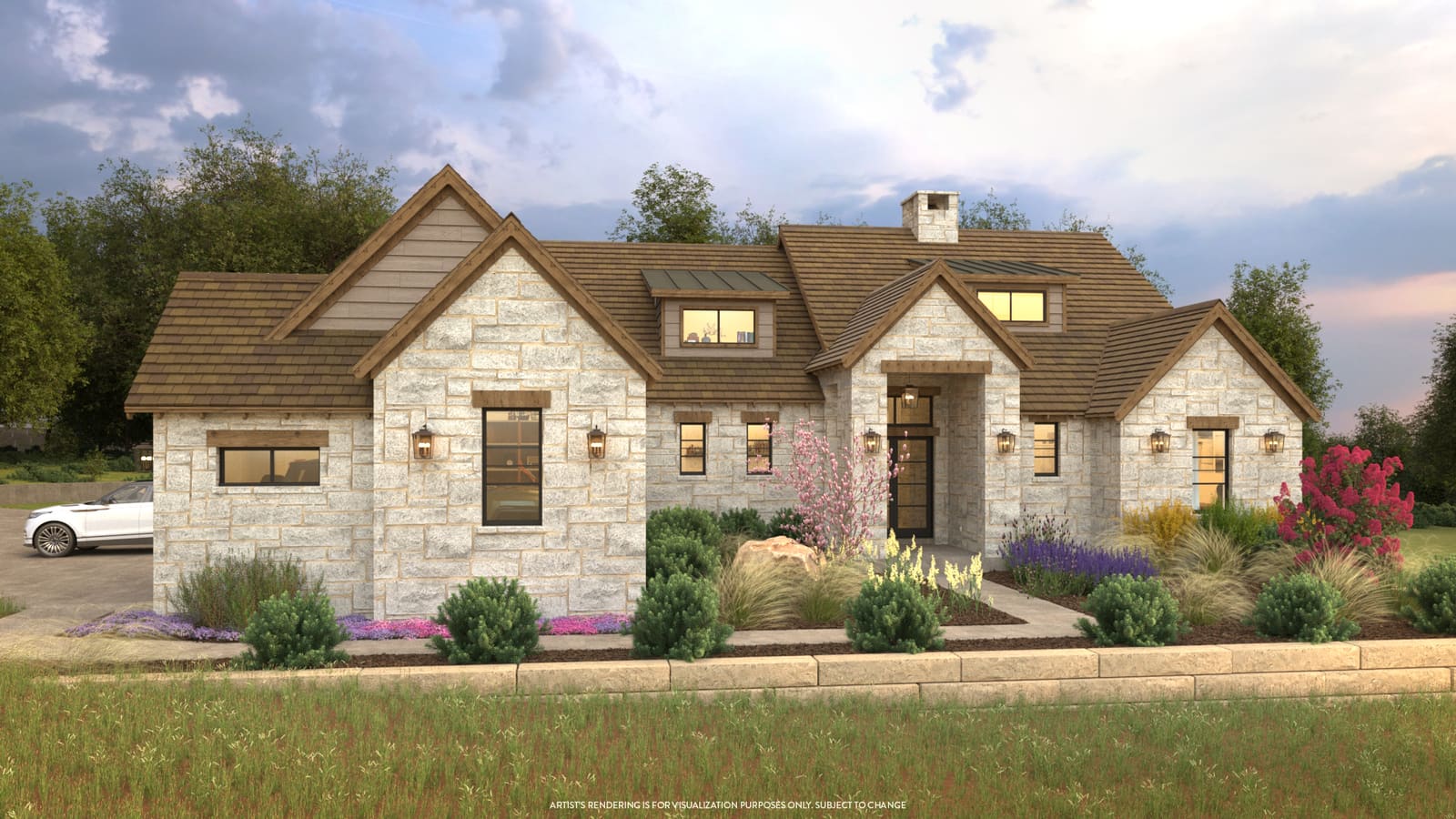
When it comes to curb appeal, a well-thought-out landscape design should be at the top of your list. With a little research, some observation, and a touch of elbow grease, you can significantly improve both the look and the value of your home. Here are five key tips to help you get started.
1. Do your research
Before you dive into any plant shopping, take time to explore different garden styles. Online resources like Pinterest are perfect for collecting inspiration photos. Look for patterns in the designs you’re drawn to. Do you prefer the soft, relaxed look of flowing plants, or the clean, structured look of neatly trimmed hedges? Consider your space. Are you working with a small city lot or a sprawling rural landscape? Does your yard get full sun, or is it shaded most of the day? By identifying these details, you’ll get a better sense of what will work best in your own yard.
2. Check your gardening zone
Not all plants are created equal. Some will thrive in your climate, while others will struggle. A great way to discover what grows well in your area is by observing local homes and businesses. Snap photos of plants you like and use apps to identify them. And don’t forget to visit your local nursery! The people there are usually full of great tips. To dig even deeper, check out your area’s Master Gardener community for advice specific to your region. Local horticulture students can help too, especially if there’s a college nearby.
3. Know the mature size of plants
Once you’ve narrowed down your style and plant list, look up the mature size of each plant. Many shrubs will spread 3–5 feet wide, or grow taller than you expect. Avoid planting tall, bushy shrubs in front of windows with great views! Sunlight matters too. Does your space get morning, afternoon, or full-day sun? Some plants thrive in full sun, while others wither in direct light. Matching plants to the right light will save you time and effort in the long run.
4. Plan for success
Even a rough sketch helps you picture your landscape plan. To be more precise, grab some graph paper and map out the area you want to plant. Draw circles for the mature width of each plant, so each has room to grow without crowding. A good rule of thumb is smaller plants in front of windows and taller plants at corners or between windows. For easy maintenance, make flower beds at least 5 feet deep. That keeps plants from spilling into the lawn and makes mowing easier. Use sweeping curves for a natural look or straight lines for a modern one. Planting in groups of 3 or 5 adds harmony, while a single striking plant can be a focal point. And save some space near the entrance for seasonal color, like cheerful annuals that greet your guests.
5. Start with a strong foundation
Before you plant, make sure your soil is ready. Adding compost is one of the best ways to improve soil. It adds nutrients and helps with aeration, so roots establish quickly. Fall is the ideal time to plant shrubs, trees, and perennials, because the cooler weather and extra rain help roots grow. If you must plant in spring or summer, be ready to water deeply and regularly: new plants need about an inch of water each week for the first year. Edging matters too. Invest in durable materials like metal or stone to create neat, defined beds that last for years.
Bonus: enjoy the benefits of gardening
You’ve got this! By joining the millions of Americans who enjoy gardening, you’re not only improving your home’s curb appeal, you’re also helping your health. Gardening is a great way to get moving, soak up some vitamin D, and lift your mood. Research shows that time in the garden can lower stress and blood pressure and improve your well-being. And there’s something deeply satisfying about watching your landscape come to life, one plant at a time.
About the author
Kim is one of our very talented drafters. She earned a degree in horticulture, with an emphasis in residential landscape design, from Texas A&M University in 2002. Kim has loved floor plans and exploring other people’s homes since elementary school, when she spent hours drawing her own designs and elevations. One of her first projects with us was a three-story beach house with exterior stairs rising from the ground all the way to the third-floor deck. She loves being part of the Birdsong family because of its prayer-driven, people-focused atmosphere, and her goal is to share her love for warm, welcoming spaces. Fun fact: Kim’s favorite novel is The Lord of the Rings.